





Content Summary
As the digital landscape evolves, marketing agencies are finding themselves at a crossroads when it comes to web development strategies. One approach that has gained significant traction is the implementation of headless WordPress. This method decouples the front end from the back end, allowing agencies to create tailored web experiences that can significantly impact their clients’ marketing efforts. In this article, we will explore the strategic advantages of headless WordPress, its business implications for marketing agencies, and how to navigate the transition effectively.
Understanding Headless WordPress
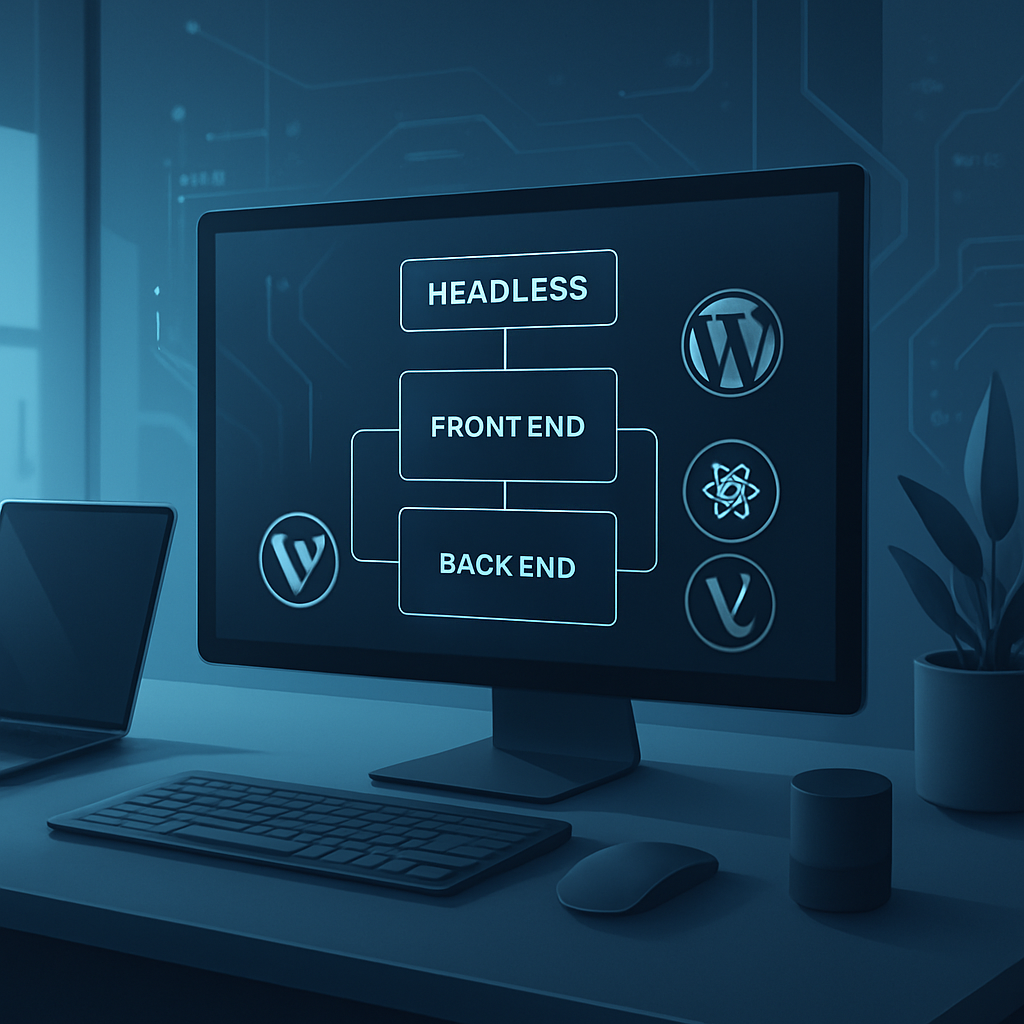
Headless WordPress operates on a principle where the content management system (CMS) is separated from the presentation layer. In traditional WordPress setups, both the back end and front end are tightly integrated, which can limit flexibility and performance. By moving to a headless architecture, agencies can utilize the powerful content management capabilities of WordPress while serving content to any front-end technology, be it React, Vue, or even mobile applications.
Key Components of a Headless WordPress Architecture
- Content API: WordPress serves as a content repository, delivering data through a REST API or GraphQL.
- Front-End Framework: Developers can choose modern JavaScript frameworks for creating dynamic user interfaces.
- Hosting Solutions: Headless setups often require specific hosting configurations for optimal performance.
Business Impact for Marketing Agencies
Adopting a headless WordPress strategy can profoundly affect a marketing agency’s operations and client outcomes. Here’s how:
1. Enhanced Performance and Speed
Headless architectures often lead to faster loading times and improved user experiences. Since the front end can be optimized independently, agencies can leverage modern frameworks that minimize load times, resulting in better engagement and conversion rates.
2. Greater Flexibility in Design and Functionality
Marketing agencies can design unique user experiences without the constraints of traditional WordPress themes. This flexibility facilitates innovation and allows agencies to respond quickly to market trends.
3. Streamlined Content Management
With WordPress at the core, content can be managed more efficiently. Marketing teams can produce and publish content without needing technical adjustments, speeding up workflows and enhancing collaboration.
4. Multi-Channel Distribution
Headless WordPress enables agencies to distribute content seamlessly across multiple platforms, including websites, mobile applications, and IoT devices. This capability is crucial for brands aiming for a cohesive omnichannel presence.
5. Scalability for Future Growth
As clients’ needs evolve, agencies can scale their solutions without overhauling existing systems. This flexibility ensures that marketing strategies can grow alongside business demands, making it a future-proof investment.
Implementation Strategy for Marketing Agencies
Transitioning to a headless WordPress setup requires careful planning and execution. Below are key steps for agencies to consider:
1. Assess Client Needs
Begin by evaluating the specific requirements of your clients. Understand their goals, target audience, and preferred technologies to tailor a headless solution that meets their needs.
2. Choose the Right Technology Stack
Select appropriate front-end frameworks that align with the skills of your development team and the needs of your clients. Consider factors such as community support, performance, and ease of integration with WordPress.
3. Develop a Content Strategy
Craft a content strategy that maximizes the capabilities of headless WordPress. This might involve restructuring how content is created, stored, and delivered.
4. Optimize for SEO
Ensure that the new architecture maintains or enhances SEO performance. This includes proper URL structure, meta tags, and schema markup in the front end.
5. Monitor and Iterate
After implementation, continuously monitor performance metrics and user feedback. Use this data to refine the system and enhance user experiences further.
Frequently Asked Questions
- What are the main advantages of using headless WordPress?
- Headless WordPress offers enhanced performance, flexibility in design, streamlined content management, multi-channel distribution, and scalability for future growth.
- Is headless WordPress more secure than traditional WordPress?
- While headless WordPress can offer security benefits by reducing the attack surface of the front end, it is essential to implement robust security measures on both the back end and front end.
- Can I still use existing WordPress plugins with a headless setup?
- Many plugins that manage content can still be used, but those that rely heavily on the front end may require alternatives or workarounds.
- What front-end technologies work best with headless WordPress?
- Modern JavaScript frameworks such as React, Vue, and Angular are popular choices for building front-end applications that interact with headless WordPress.
- How does headless WordPress impact SEO?
- If implemented correctly, headless WordPress can maintain or even enhance SEO capabilities by allowing for better performance, faster loading times, and improved user experiences.
Conclusion
Implementing a headless WordPress strategy can transform how marketing agencies deliver digital experiences. By embracing this approach, agencies can enhance performance, achieve greater flexibility, and position themselves as innovative leaders in a competitive landscape. As the digital world continues to evolve, those who adapt to headless architectures will likely find themselves at the forefront of marketing excellence.