





Content Summary
In the competitive landscape of online marketing, your landing pages are often the first touchpoint with potential customers. A well-optimized landing page can mean the difference between a visitor bouncing away or converting into a lead or sale. In this post, we’ll explore the critical elements of conversion-focused landing pages in WordPress and illustrate their impact through a before-and-after optimization scenario.
nn
Understanding Conversion-Focused Landing Pages
n
A conversion-focused landing page is designed with one primary goal: to convert visitors into leads or customers. This goal is achieved through a combination of strategic design, compelling content, and clear calls to action (CTAs). Key elements include:
n
- n
- Clear Value Proposition: What benefit does the visitor gain?
- Compelling Headlines: Catchy and relevant to the target audience.
- Eye-catching Visuals: Images or videos that support the message.
- Simple Forms: Easy-to-complete forms that minimize friction.
- Trust Elements: Testimonials, reviews, or security badges that build credibility.
- Strong CTAs: Clear and actionable buttons that guide the user towards conversion.
n
n
n
n
n
n
nn
Before Optimization: The Initial State
n
Let’s consider a hypothetical scenario of a WordPress-based landing page for a fitness coaching service. The initial design and content included:
n
- n
- Cluttered layout with multiple CTAs.
- A lengthy form requesting extensive information.
- Generic headlines that did not resonate with the target audience.
- Lack of trust signals such as testimonials or client logos.
n
n
n
n
n
As a result, the landing page had a conversion rate of only 1.5%. Visitors often left without taking action, and the business struggled to generate leads.
nn
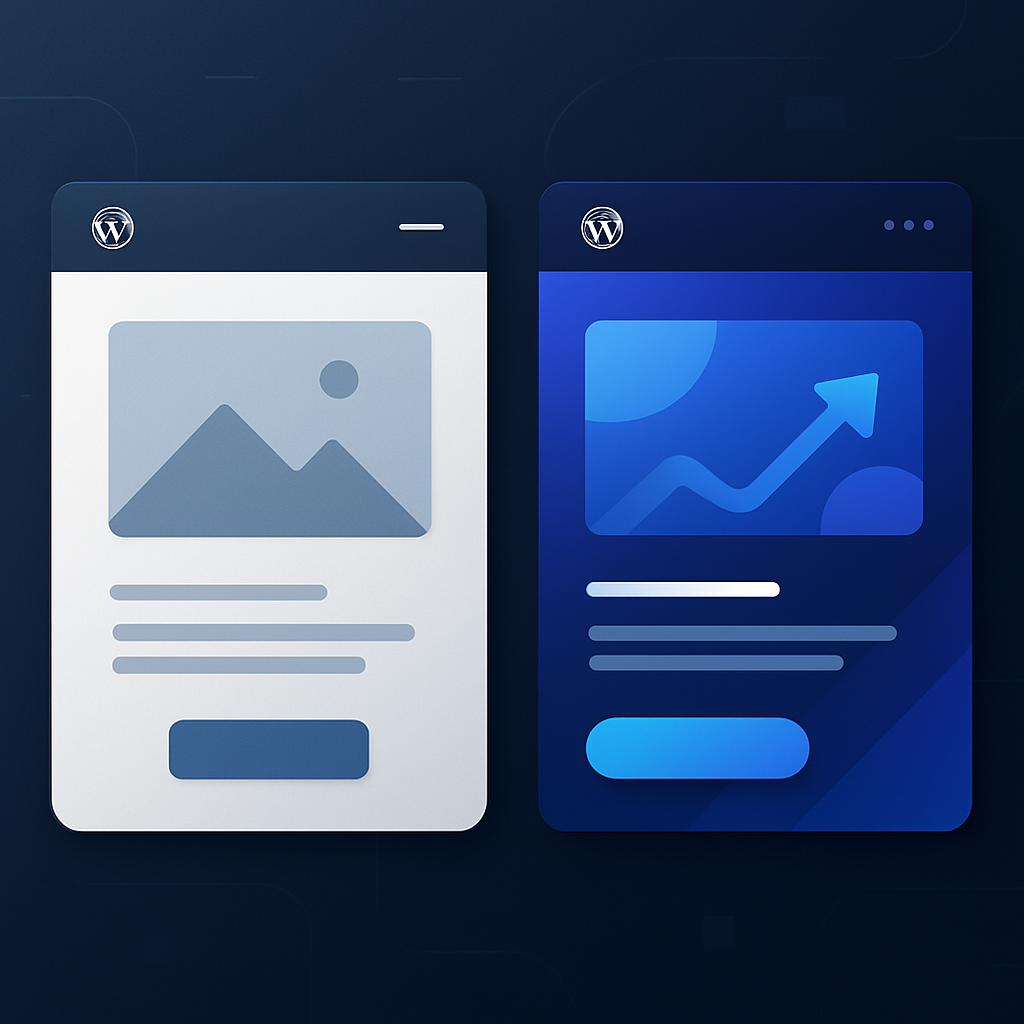
After Optimization: The Transformation
n
After analyzing user behavior and implementing best practices, we optimized the landing page. The changes included:
n
- n
- Simplified Layout: A clean, single-column design focused on the main message.
- Focused Value Proposition: A clear headline that communicated the unique benefits of the fitness coaching service.
- Condensed Form: Reduced the number of fields to only essential information.
- Incorporating Trust Signals: Added testimonials and client logos to build credibility.
- Enhanced CTAs: Created a standout button with action-oriented text like “Get Your Free Consultation Now!”
n
n
n
n
n
n
Following these optimizations, the landing page’s conversion rate soared to 4.8%. This significant increase was a direct result of focusing on user experience and trust-building elements.
nn
Next Steps for Your Own Landing Page Optimization
n
If you’re looking to improve your WordPress landing pages, consider the following strategic steps:
n
- n
- Analyze Current Performance: Use analytics tools to identify where visitors drop off.
- Define Your Unique Value Proposition: Articulate what sets your service apart clearly.
- Test Different Layouts: A/B test different designs to see which resonates more with your audience.
- Incorporate Trust Signals: Ensure your page has elements that build user confidence.
- Utilize Strong CTAs: Experiment with different phrases and placements for your calls to action.
- Continual Improvement: Regularly update your content and design based on user feedback and analytics data.
n
n
n
n
n
n
nn
Frequently Asked Questions
n
- n
- What is a conversion-focused landing page?
- A conversion-focused landing page is designed specifically to convert visitors through targeted messaging, strategic layout, and clear calls to action.
- How do I measure the success of my landing page?
- Success can be measured through conversion rates, bounce rates, and user engagement metrics using analytics tools.
- What are some common mistakes to avoid when creating landing pages?
- Common mistakes include overcrowding the page with information, unclear CTAs, and not optimizing for mobile devices.
- How often should I update my landing page?
- Landing pages should be updated regularly based on feedback, performance analytics, and changes in your offerings.
- Can I use plugins to optimize my WordPress landing page?
- Yes, there are various plugins available that can help you create and optimize landing pages, such as Elementor or Beaver Builder.
- What role do trust signals play in conversions?
- Trust signals build credibility and confidence in your service, which can significantly influence a visitor’s decision to convert.
n
nn
n
nn
n
nn
n
nn
n
nn
n
n
nn
Conclusion
n
Optimizing your WordPress landing pages is a critical step in enhancing your online presence and increasing conversions. By focusing on user experience, clarity of message, and trust-building elements, you can transform your landing pages into powerful tools for lead generation. Remember, consistent testing and iteration are key to finding what works best for your audience.