





Content Summary
In today’s competitive digital landscape, optimizing your WordPress site for technical SEO is no longer optional; it’s essential. With search engines constantly evolving, understanding how to enhance your site’s structure, speed, and overall performance can significantly impact your visibility and user experience. In this article, we’ll explore actionable strategies to improve your technical SEO on WordPress, illustrated through a detailed before-and-after optimization case study.
Understanding Technical SEO for WordPress
Technical SEO refers to the backend optimizations that help search engines crawl and index your site more effectively. Unlike content SEO, which focuses on keywords and content quality, technical SEO encompasses the site’s architecture, mobile responsiveness, speed, security, and more.
Key Technical SEO Elements to Optimize
- Site Speed: Fast-loading pages improve user experience and are favored by search engines.
- Mobile Responsiveness: With the mobile-first indexing approach, your site must perform well on mobile devices.
- XML Sitemaps: Ensure search engines can easily discover all your site’s pages.
- Robots.txt File: Control which parts of your site search engines can access.
- SSL Certificate: Security is a ranking factor; HTTPS is a must.
- Structured Data: Help search engines understand your content better through schema markup.
- Broken Links and Redirects: Fixing these can prevent loss of link equity and improve crawl efficiency.
Before and After Optimization Scenario
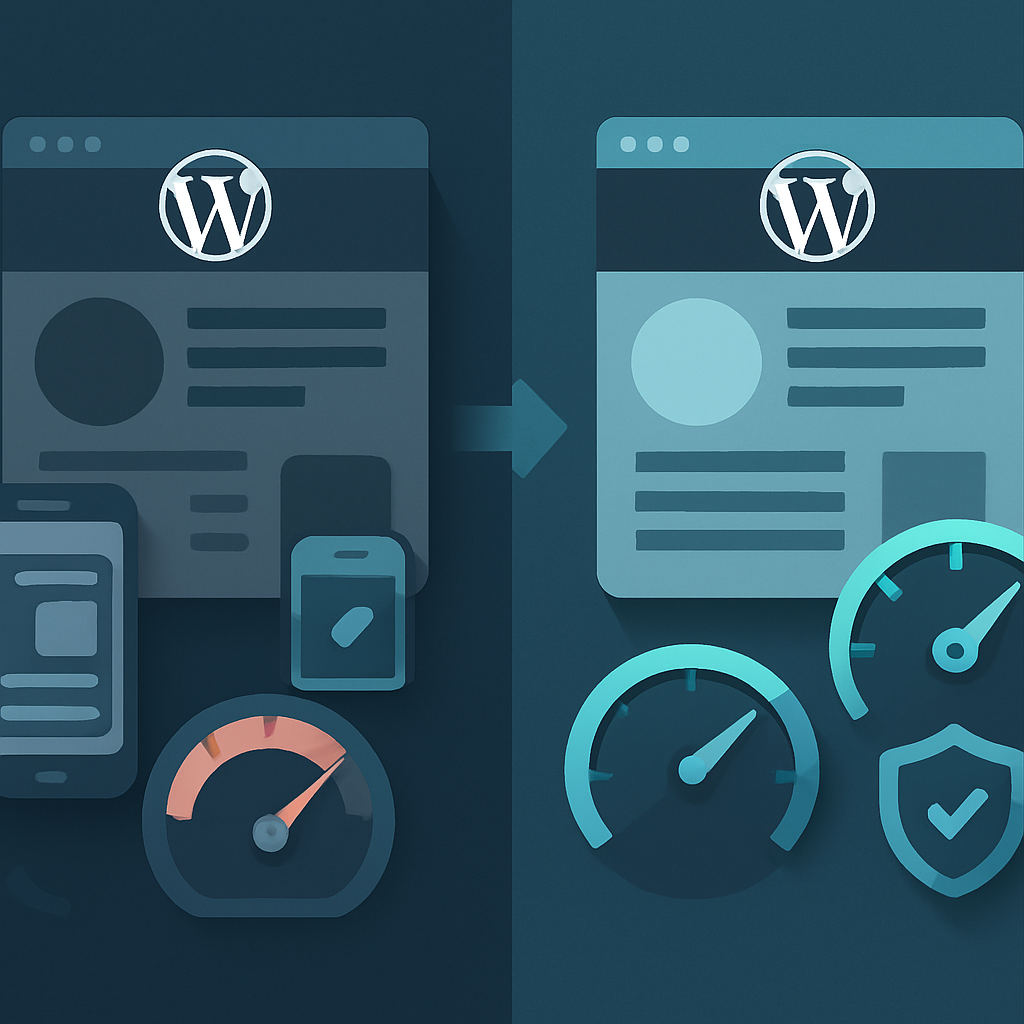
Let’s take a look at a real-world example of a WordPress site that underwent significant technical SEO improvements. The site in question, a local business directory, faced several issues that hindered its performance and visibility.
Before Optimization
- Page Speed: Average load time was 6 seconds, causing high bounce rates.
- Mobile Responsiveness: The site was not fully responsive, leading to poor user experience on mobile devices.
- XML Sitemap: The sitemap was missing critical pages, causing them to be overlooked by search engines.
- Broken Links: Over 30 broken links were found, which hurt the site’s authority.
- No SSL: The site was still using HTTP, which raised security concerns.
After Optimization
- Page Speed: Load time improved to 2 seconds through image compression, caching solutions, and minifying CSS/JS files.
- Mobile Responsiveness: A responsive theme was implemented, enhancing the mobile user experience.
- XML Sitemap: A comprehensive sitemap was created, ensuring all relevant pages were indexed.
- Broken Links: All broken links were fixed, improving the site’s overall authority and user experience.
- SSL Certificate: The site was migrated to HTTPS, enhancing security and trust.
Measuring the Impact of Optimization
After implementing these changes, the business directory saw the following results:
- Traffic Increase: Organic traffic increased by 50% within three months.
- Lower Bounce Rate: Bounce rate dropped from 65% to 35%, indicating better user engagement.
- Improved Rankings: The site moved from page 3 to page 1 for several targeted keywords.
FAQs
- What is technical SEO?
- Technical SEO involves optimizing the infrastructure of your website to help search engines crawl and index your content effectively.
- Why is site speed important for SEO?
- Faster loading times enhance user experience and are a ranking factor for search engines, influencing both traffic and conversions.
- How can I improve my site’s mobile responsiveness?
- Implement a responsive theme, optimize images, and ensure that all elements are accessible and usable on mobile devices.
- What tools can I use to check my technical SEO?
- Tools like Google Search Console, GTmetrix, and SEMrush can help analyze and improve your technical SEO performance.
- How often should I perform technical SEO audits?
- Regular audits are recommended at least quarterly to address any new issues and ensure ongoing optimization.
Conclusion
Optimizing your WordPress site for technical SEO is an ongoing process that can yield significant improvements in visibility, traffic, and user engagement. By focusing on essential elements such as site speed, mobile responsiveness, and fixing broken links, you can create a solid foundation for your site’s success. Implementing these strategies not only enhances your SEO but also improves the overall user experience, making your site a valuable resource in your niche.