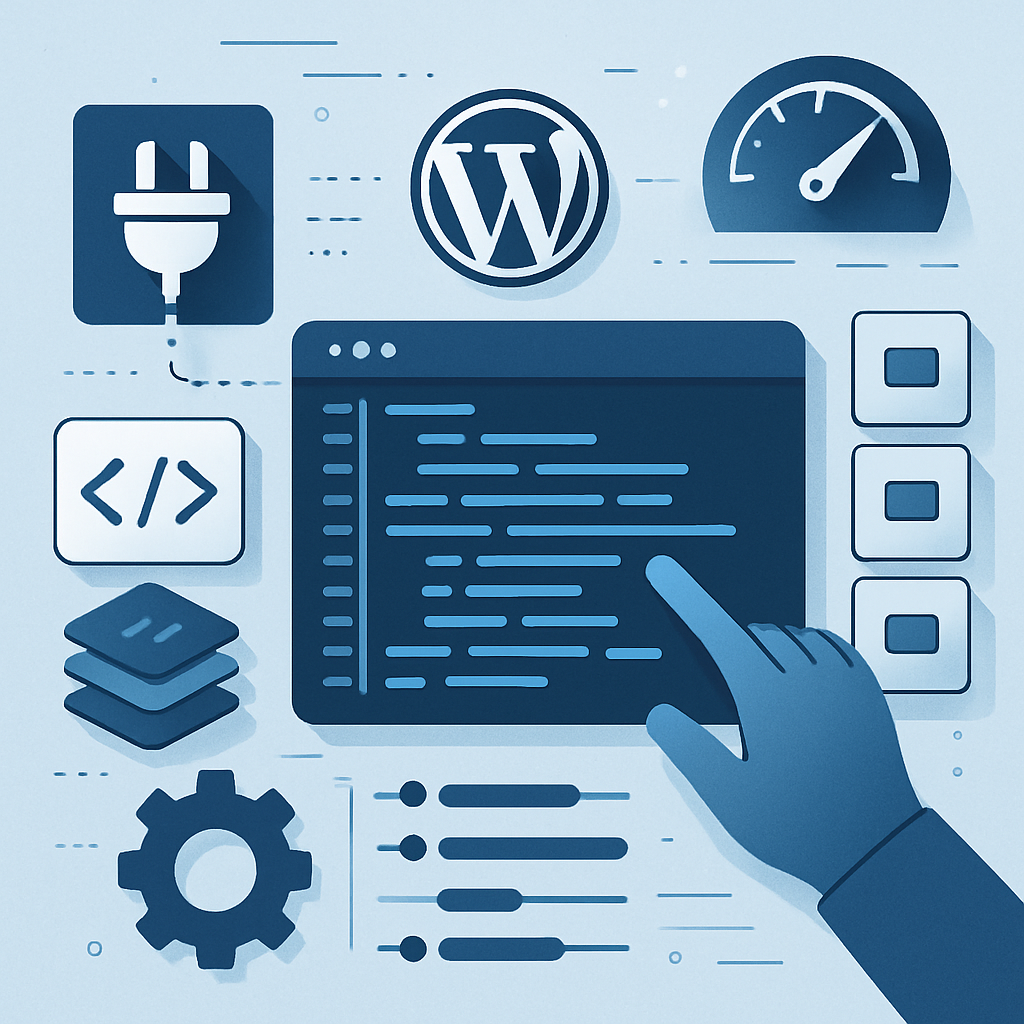






As a seasoned WordPress developer, the need for custom plugins tailored to agency workflows is increasingly vital for enhancing efficiency and ensuring project scalability. Custom plugins not only streamline processes but also allow for adaptability as business needs evolve. In this article, we will explore the key considerations for developing scalable custom plugins, focusing on long-term maintenance and performance.
Understanding the Importance of Custom Plugin Development
Custom plugins can significantly enhance the functionality of WordPress sites, especially for agencies managing multiple client projects. They allow developers to implement specific features that are not available in standard plugins, thus catering to unique client needs. Additionally, well-architected plugins can improve the overall performance of a website and reduce technical debt.
Key Considerations for Scalable Plugin Development
1. Modular Design
A modular design allows different components of your plugin to work independently. This makes it easier to update or replace parts of the plugin without affecting the entire system. Using a modular approach has several advantages:
- Ease of Maintenance: Each module can be updated individually, reducing the risk of breaking changes.
- Scalability: New features can be added as separate modules, allowing for gradual expansion.
- Collaboration: Different developers can work on various modules simultaneously, speeding up the development process.
2. Adherence to Coding Standards
Following the WordPress Coding Standards ensures that your plugin is easily understandable and maintainable by other developers. Key best practices include:
- Using meaningful variable names and comments
- Consistent indentation and spacing
- Proper enqueuing of scripts and styles to avoid conflicts
Adhering to these standards makes your codebase cleaner and reduces the learning curve for new team members.
3. Comprehensive Documentation
Documentation is crucial for long-term maintenance. It should cover:
- Installation and configuration instructions
- A list of available hooks and filters
- Examples of usage
Good documentation not only aids current developers but also helps future developers understand the plugin’s architecture and functionality.
4. Performance Optimization
For a plugin to be scalable, it must perform well under varying loads. Consider the following:
- Efficient Database Queries: Always optimize SQL queries to minimize load times. Use prepared statements to enhance security and performance.
- Caching: Implement object caching to reduce database load, especially for frequently accessed data.
- Asset Management: Minimize the number of scripts and styles loaded on the front end to improve loading speeds.
5. Security Best Practices
Security is paramount in plugin development. Follow these guidelines:
- Sanitize and validate user inputs to prevent XSS and SQL injection attacks.
- Use nonces for form submissions to ensure requests are legitimate.
- Regularly update the plugin to patch any vulnerabilities.
6. Version Control and Continuous Integration
Implementing version control using Git allows for tracking changes and collaborating effectively. Continuous integration (CI) tools can automate testing, ensuring that new code does not break existing functionality. Here are some CI best practices:
- Automate testing for every new feature or bug fix.
- Run static analysis tools to catch potential issues early.
Conclusion
Developing custom plugins for agency workflows requires a strategic approach to ensure scalability and maintainability. By focusing on modular design, adhering to coding standards, creating comprehensive documentation, optimizing performance, ensuring security, and utilizing version control systems, you can create robust solutions that grow with your agency’s needs. This proactive approach will not only save time in the long run but also foster trust among your clients as you deliver high-quality, tailored solutions.
Frequently Asked Questions
- What are the benefits of using custom plugins for agency workflows?
- Custom plugins provide tailored functionality, improve efficiency, and can be designed to meet specific client needs, allowing for better project management and scalability.
- How can I ensure my plugin is scalable?
- By using a modular design, adhering to coding standards, and planning for performance and security from the start, your plugin can scale effectively as requirements change.
- What are some common mistakes to avoid in plugin development?
- Common mistakes include neglecting documentation, failing to optimize performance, and not adhering to security best practices, which can lead to technical debt and vulnerabilities.
- How often should I update my custom plugins?
- Plugins should be updated regularly, especially to address security vulnerabilities and compatibility with the latest version of WordPress.
- Is it necessary to include documentation with my plugin?
- Yes, documentation is essential for maintenance and usability, both for your team and future developers who may work on the project.
- Can I use existing plugins as a base for my custom development?
- Yes, leveraging existing plugins can save time, but ensure you assess their code quality and compatibility with your project goals.
- What tools can help with plugin development?
- Version control systems like Git, CI/CD tools for automated testing, and local development environments like Local by Flywheel can enhance your development workflow.
- How do I handle support and maintenance for my custom plugins?
- Set up a clear process for handling support requests and plan for regular maintenance updates to ensure long-term functionality and security.