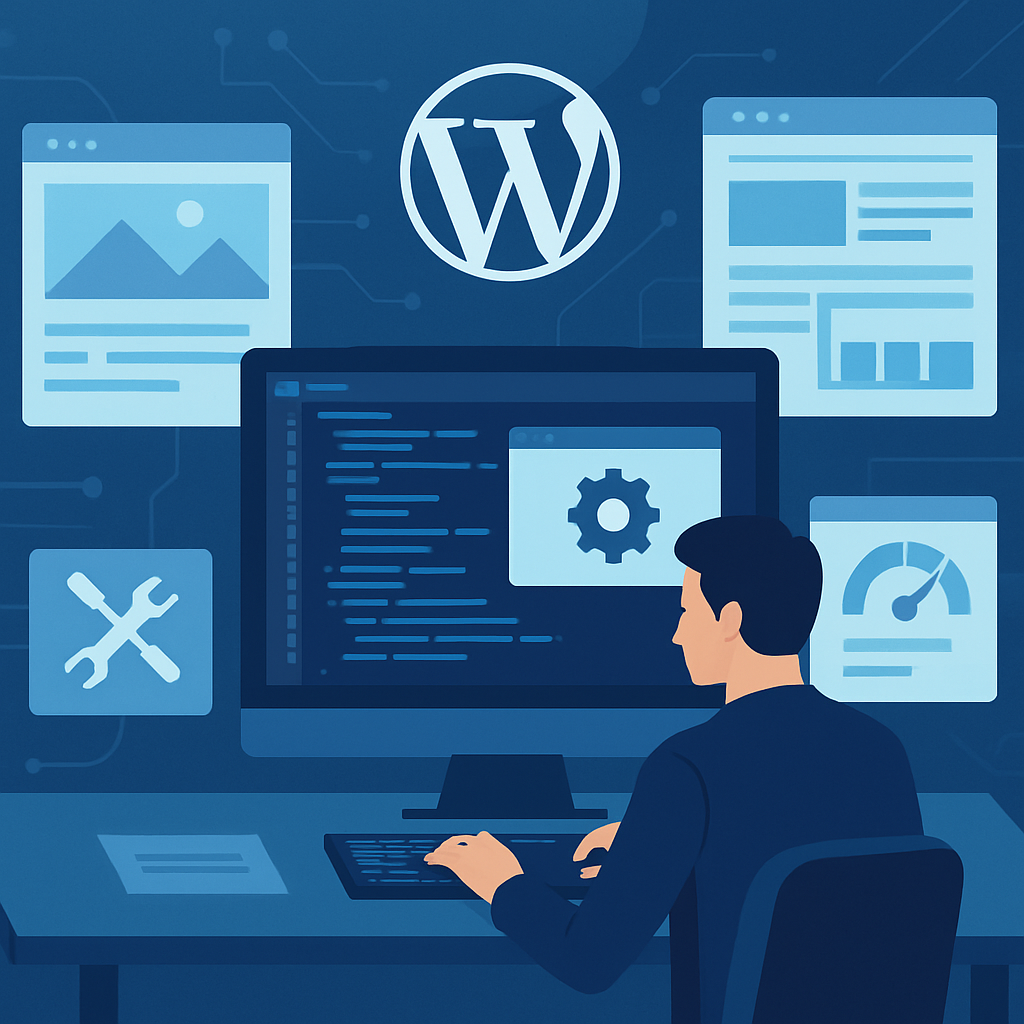






In the competitive landscape of digital marketing and web development, agencies continually seek ways to optimize workflows and enhance productivity. One effective approach is the development of custom WordPress plugins tailored to meet specific agency needs. This article explores how creating scalable custom plugins can streamline operations, facilitate long-term maintenance, and ultimately improve client satisfaction.
The Importance of Custom Plugins for Agencies
Agencies often juggle multiple client sites, each with unique requirements. Off-the-shelf plugins may not always fit these needs effectively, leading to inefficiencies. Custom plugins allow agencies to:
- Tailor Functionality: Develop features that directly address client requirements.
- Improve Performance: Eliminate unnecessary bloat from unused features in public plugins.
- Ensure Security: Custom solutions reduce reliance on third-party code, minimizing vulnerabilities.
Key Considerations for Scalable Plugin Development
1. Modular Architecture
Building plugins with a modular architecture facilitates scalability and maintenance. This involves designing the plugin to consist of independent components that can be updated or expanded without affecting the entire system. Key benefits include:
- Faster updates and feature additions.
- Reduced risk of conflicts with other plugins.
- Improved testing and debugging processes.
2. Adopting Standards and Best Practices
Adhering to WordPress coding standards and best practices is crucial for long-term maintainability. This includes:
- Utilizing hooks and filters effectively to enhance flexibility.
- Following naming conventions to avoid conflicts.
- Documenting code thoroughly to aid future developers.
3. Performance Optimization
As agencies grow, so do the demands on their plugins. Performance optimization should be a priority from the outset:
- Database Efficiency: Use efficient queries to minimize load times.
- Caching Strategies: Implement caching to reduce server load and speed up response times.
- Resource Loading: Load scripts and styles conditionally to enhance performance.
4. Security Considerations
Security is paramount in plugin development. Agencies must ensure that their custom plugins are not only functional but also secure:
- Sanitize user inputs to prevent SQL injection.
- Use nonces to validate requests and secure forms.
- Regularly update the plugin to address new vulnerabilities.
5. Long-term Maintenance Strategies
Planning for the future is essential. Consider these strategies to ensure your plugin remains functional and relevant:
- Version Control: Use version control systems like Git to track changes and collaborate effectively.
- Regular Updates: Schedule periodic reviews to update features and ensure compatibility with the latest WordPress versions.
- User Feedback: Incorporate client and user feedback into updates to improve functionality.
Conclusion
Custom WordPress plugins are an invaluable asset for agencies looking to enhance their workflows and deliver tailored solutions to clients. By focusing on scalability, modular design, and long-term maintenance, agencies can build plugins that not only meet current demands but also adapt to future challenges. Investing in custom development is not just about immediate gains; it’s about laying the groundwork for sustainable success in an ever-evolving digital landscape.
FAQ
- What are the benefits of using custom WordPress plugins over off-the-shelf solutions?
- Custom plugins allow for tailored functionality, improved performance, enhanced security, and better alignment with specific agency needs.
- How can I ensure my custom plugin is scalable?
- Implement a modular architecture, adhere to coding standards, and plan for future updates and enhancements.
- What security measures should I take when developing a custom plugin?
- Sanitize user inputs, use nonces for form validation, and regularly update the plugin to address vulnerabilities.
- How often should I update my custom plugin?
- Regular updates should be scheduled to ensure compatibility with new WordPress versions and to incorporate user feedback.
- What performance optimizations should I implement?
- Focus on database efficiency, use caching strategies, and conditionally load resources to enhance performance.
- What tools can assist in custom plugin development?
- Tools like Git for version control, debugging tools in browsers, and performance monitoring plugins can be beneficial.
- How can I gather user feedback for my plugin?
- Utilize surveys, user testing sessions, and direct communication with clients to gather valuable insights.
- Is it advisable to use third-party libraries in custom plugins?
- Yes, but ensure they are well-supported, secure, and necessary for your plugin’s functionality.