
Block themes, sometimes called Full Site Editing (FSE) themes, have become a trending topic in the WordPress world since the release of WordPress 5.9. While many agencies and businesses are curious, we have seen firsthand how deciding whether to adopt block themes can leave teams both excited and uncertain. So, should you use block themes? We believe the answer depends on your unique needs, technical background, and the resources you have—or want to have—at your disposal.
What are block themes and FSE?
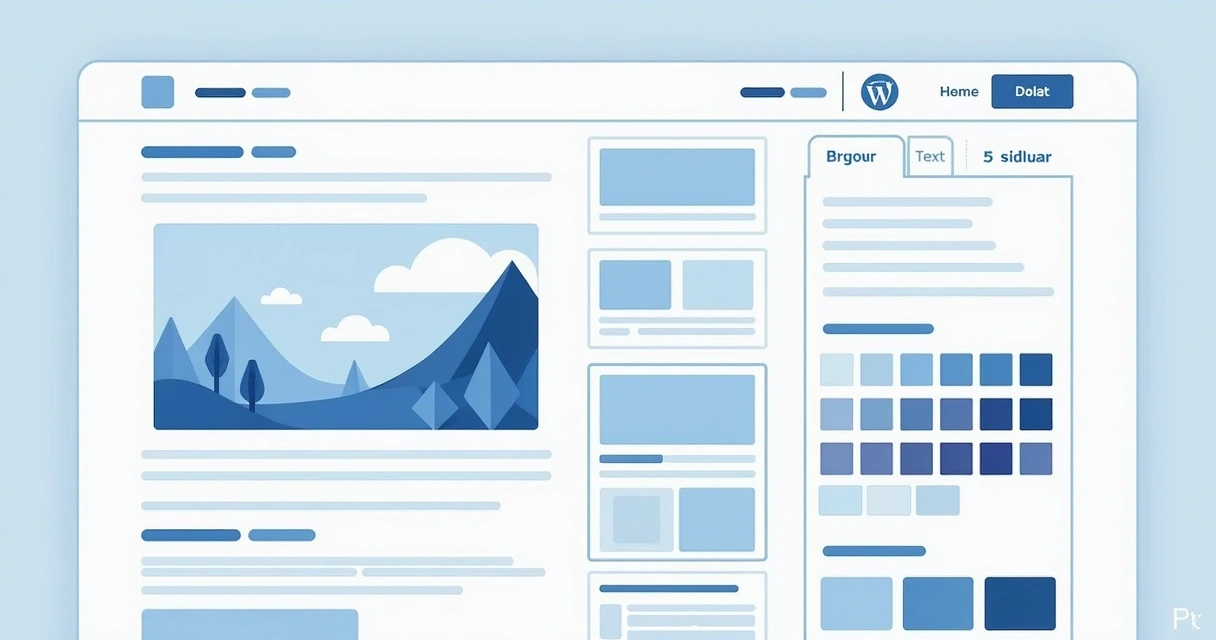
Block themes are designed to let users customize every part of their WordPress site using blocks, not just posts or content areas. With Full Site Editing features, headers, footers, sidebars and even templates can be built with blocks, offering more flexibility from the WordPress administrator area. The City University of New York (CUNY) explains that Full Site Editing (FSE) allows users to design every part of a WordPress post or page using modular blocks, eliminating the need for coding.
“Design every part of your site without coding.”
This means layouts and even styling aspects like fonts and colors are all managed visually. At André, we offer WordPress development services that help agencies and businesses gain full control of their site structure and looks—without the typical technical hurdles or heavy plugins.
Pros: Why block themes can be a game-changer
Whenever a client asks us about switching to block themes, we focus on core benefits that can impact businesses in real, measurable ways. Here’s what stands out:
- Visual editing for all site areas: Instead of relying on child themes or builder plugins, you can shape the header, footer, and templates inside the native WordPress editor. According to CUNY guidance, it’s now possible to create rich, unique layouts quickly after grasping block basics.
- Less reliance on third-party plugins: Many block themes allow for dynamic features like testimonials, galleries, and even statistics using drag-and-drop blocks. This can cut down on plugin bloat.
- Future-proof and compatible: With the WordPress core focusing more on block technology, modern block themes are likely to stay supported for longer. Updates are easier to manage, and new tools are introduced regularly.
- Enhanced accessibility: Boise State University recommends using block structures for better accessibility—like clear heading hierarchies and descriptive layouts, as explained in their accessibility best practices.
- Streamlined team collaboration: At André, we have seen agencies embrace block themes so designers, marketers, and developers can all work in a single interface, cutting out confusion and speeding up projects.
- No-code layout freedom: Block themes let us build, move, and customize each section of a site without touching code, so small changes don’t require developer resources.
On top of this, our custom block theme development services ensure that clients still benefit from deep customizations, not just cookie-cutter designs.
Cons: Where block themes might fall short
Adopting a new technology always involves tradeoffs. Block themes are not perfect for everyone or every scenario. In our experience, these challenges stand out:
- Learning curve for teams and clients: CUNY notes that understanding block layouts and managing templates can be tough at first, especially for teams used to the Classic Editor or page builders. With FSE, users need to learn “block thinking” instead of “widget thinking.”
- Plugin and compatibility quirks: Not all plugins are ready for block theme standards. If your site runs on older plugins or custom code, migration could require some careful planning.
- Limited advanced styling (for now): While block themes offer visual tools, detailed custom designs sometimes still require extra CSS knowledge or developer input. That’s why our custom WordPress development service matters, ensuring brands do not sacrifice their visual identity for convenience.
- Less documentation and fewer mature themes: Compared to traditional theme options, the FSE ecosystem is newer. Some block themes lack the stability or polish businesses expect.
- Accessibility not always default: Even though block structure helps, Boise State guidance shows block content must be used carefully, so navigation and access needs are fully respected.
We often help agencies weigh these risks, then create internal workflows or bespoke training so their teams get the best out of FSE—without setbacks.
Who benefits most from block themes?
If you value fast layout control, want to avoid recurring plugin conflicts, or need your design team to experiment confidently, block themes can bring real gains.
Creative agencies with multiple clients, marketers seeking faster landing pages, and growing businesses that update their content often tend to benefit most. Our partners see these as the main advantages:
- Quicker experimentation with new layouts or features
- Centralized design and content management
- Lower dependency on outside help for visual changes
- Up-to-date compatibility with future WordPress releases
“Change layout and test new ideas faster than ever.”
But, if your website depends on legacy plugins, highly custom client-facing applications, or unique workflows (like an advanced e-commerce store), you may want a hybrid or tailored approach—something we can design for you with our WordPress theme development for agencies.

How to set up a block theme: Step-by-step guide
If you are ready to try block themes for your project, here is our process to get started smoothly:
- Backup your current site and data. Always start safe, even if just running a local test.
- Select a block-enabled theme in the WordPress theme directory, filtering for “Full Site Editing” or “Block themes.” (For agencies who want control from scratch, see our guide to custom themes.)
- Install and activate the theme. After activation, you will see the “Editor (beta)” or “Site Editor” in your WordPress sidebar.
- Open the Site Editor. Here, you can:
- Edit header and footer blocks
- Create or adjust page templates
- Change colors, typography, and layout settings
- Add or manage blocks for structure and content. Use built-in patterns or add new block plugins for advanced needs. Boise State’s Stats Grid block documentation shows how information can be placed visually in a way that’s easy to scan.
- Preview and test responsively before publishing. Make sure your site looks good and works well across all devices.
- Update your workflow. Adjust your content planning so your team’s writers, marketers, and designers can use the new visual tools together for daily changes.
If you want to learn even more about block theme development, our article on WordPress theme development best practices covers the full process, from design to functional launch.
Tips for building on block themes
With block themes, we recommend these simple practices to get more from the new tools and avoid frustration:
- Stick to a design system. Set your global style palette early for a consistent feel.
- Test block arrangement for readability and accessibility. Boise State’s guidelines for accessible theme blocks highlight proper heading order and meaningful labels.
- Lean on built-in patterns. They save time and help align site-wide design quickly.
- Map out core templates first (home, single, archive, 404), then refine details.
- Consider custom blocks or block plugins for unique interactive features or advanced stats. Boston University’s guidance on adding statistics with shortcodes offers good models for dynamic data.
“Clarity and structure always win.”
When in doubt, we help agencies set up easy-to-understand templates that deliver a balance of flexibility and brand consistency.
Why work with André for block themes?
The transition to block themes is a chance to simplify, collaborate, and secure better long-term results for your site. However, learning the latest tools and design trends can be daunting for in-house teams.
With André WordPress Development Services, we deliver:
- Block themes that match your brand, with technical support for migration and setup
- Hands-on FSE onboarding for design, marketing, and tech teams
- Custom blocks, integrations, and code when you need extra power
- Proactive security, speed, and stability measures for all ongoing projects
While other agencies may focus only on generic solutions, we combine dependable technical expertise with a business-driven approach, ensuring agencies and businesses can fully benefit from WordPress’s newest tools—without hidden frustrations or future headaches.
Is it time for your business to use block themes?
We have seen first-hand how block themes unlock unique potential for creative teams and fast-moving businesses. If you crave more control, faster changes, or a modern, flexible website, now is a great time to consider a custom block theme. Want to know how this applies to your agency or business model? Get in touch with us to explore how block themes can transform your WordPress presence—securely, quickly, and with the expert support only André can offer.