





Content Summary
In the fast-paced world of digital marketing, landing pages serve as critical touchpoints for converting visitors into leads or customers. However, the effectiveness of a landing page extends beyond its design and content; it must also be scalable and maintainable to adapt to changing business needs over time. In this article, we will explore the best practices for creating conversion-focused landing pages in WordPress that not only drive results but also ensure long-term sustainability.
Understanding the Importance of Scalability
Scalability refers to the ability of a system to handle growth. For landing pages, this means being able to accommodate increased traffic, new features, and evolving user needs without compromising performance or user experience.
Why Scalability Matters
- Traffic Growth: As your business grows, so will your audience. A scalable landing page can handle spikes in traffic without slowing down.
- Feature Expansion: Over time, you may want to add new functionalities to your landing page. A well-structured approach allows you to integrate these features seamlessly.
- User Experience: Keeping the user experience smooth is essential. Scalability ensures that changes won’t disrupt the visitor’s journey.
Designing for Long-Term Maintenance
Maintenance refers to the ongoing updates and optimizations needed to keep your landing pages performing at their best. Here are key considerations to ensure your landing pages are easy to maintain:
1. Choose a Robust Theme
Select a WordPress theme that is lightweight and optimized for performance. A well-coded theme minimizes the need for frequent updates and troubleshooting.
2. Utilize Custom Post Types
For landing pages with unique content structures, consider using custom post types. This approach allows for better organization and easier updates in the long run.
3. Implement a Page Builder
Using a page builder like Elementor or Beaver Builder can simplify the design process. These tools allow for drag-and-drop functionality, enabling non-developers to make changes easily.
4. Optimize for SEO and Performance
Ensure your landing pages are optimized for search engines and performance. This includes using appropriate meta tags, optimizing images, and minimizing scripts. Regular performance assessments help keep loading times low.
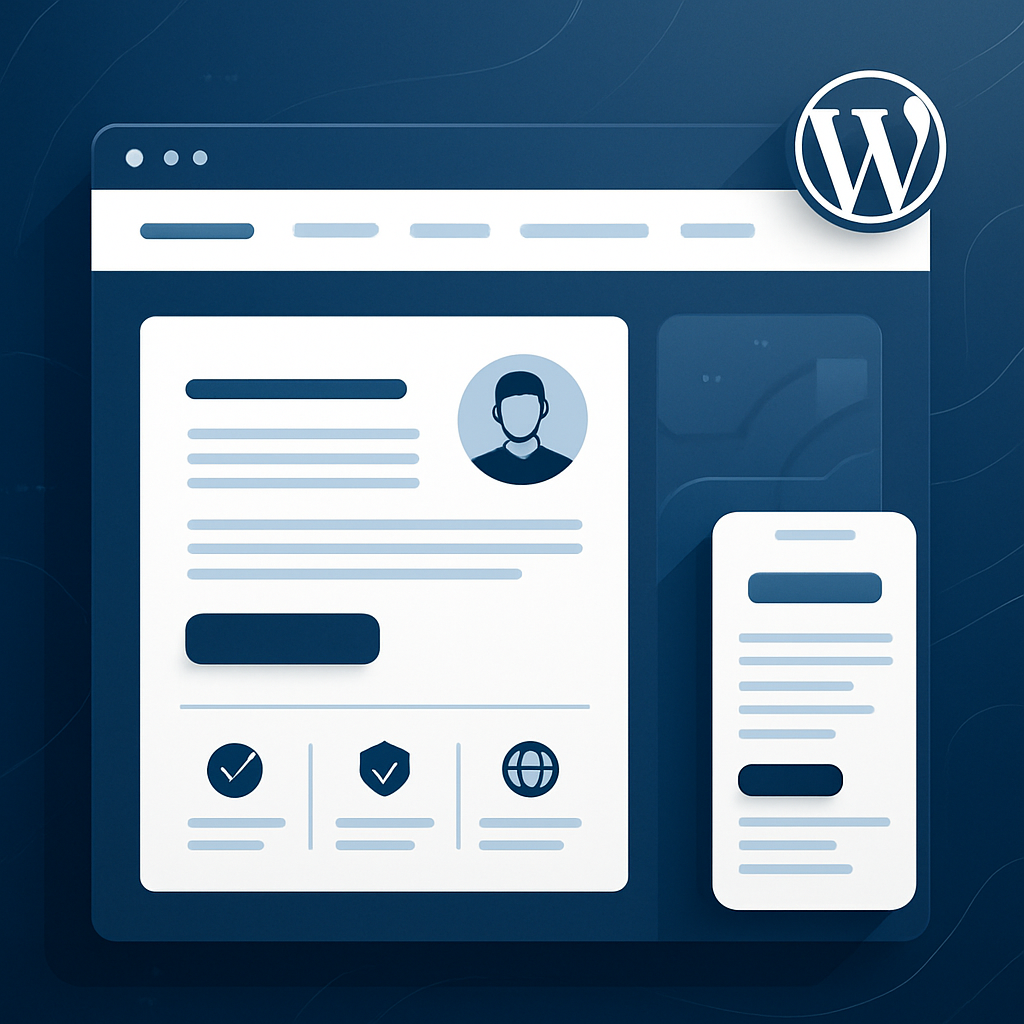
Best Practices for Conversion Optimization
The ultimate goal of any landing page is conversion. Here are some essential practices to enhance conversion rates:
1. Clear and Compelling Headlines
Your headline is often the first thing visitors see. Make it clear, benefit-driven, and aligned with user intent to capture attention immediately.
2. Strong Calls to Action (CTAs)
Your CTAs should stand out and clearly convey what action you want visitors to take. Use action-oriented language and ensure CTAs are strategically placed throughout the page.
3. Trust Signals
Incorporate elements like testimonials, case studies, and security badges to build trust with your audience. These signals reassure potential customers that they are making a safe decision.
Maintaining Your Landing Pages Over Time
Regular maintenance is crucial for sustaining the performance and effectiveness of your landing pages. Here are some strategies:
1. Regular Content Updates
Keep your content fresh and relevant. Regularly review and update copy, images, and any offers to reflect current business goals and market conditions.
2. Monitor Performance Metrics
Use tools like Google Analytics to track key performance metrics such as conversion rates, bounce rates, and user engagement. Analyzing this data will help you identify areas for improvement.
3. A/B Testing
Conduct A/B testing on various elements like headlines, images, and CTAs. This method allows you to determine what resonates best with your audience and optimize accordingly.
Conclusion
Creating scalable and maintainable landing pages in WordPress is essential for long-term success in digital marketing. By focusing on scalability, design best practices, and ongoing maintenance strategies, you can build landing pages that not only drive conversions but also adapt to your business’s evolving needs. Implement these strategies today to set a strong foundation for your marketing efforts.
Frequently Asked Questions
- What is a landing page?
- A landing page is a standalone web page designed specifically for marketing or advertising campaigns, aimed at converting visitors into leads or customers.
- How can I improve my landing page’s conversion rate?
- Optimize your landing page by using clear headlines, strong CTAs, trust signals, and regularly updating content based on performance metrics.
- What tools can I use to create landing pages in WordPress?
- Popular tools include page builders like Elementor and Beaver Builder, as well as dedicated landing page plugins like OptimizePress.
- How often should I update my landing pages?
- Regular updates are recommended, ideally every few months, or whenever there are changes in your offerings, market conditions, or performance data.
- What are trust signals?
- Trust signals are elements that help establish credibility, such as testimonials, security badges, and case studies.