
Criação de Sites para Agências is not about launching one more website – it’s about building a strong foundation that grows with your clients and supports their business goals. Over the years, we’ve learned that every agency’s needs are different, especially when those agencies handle multiple clients and must balance design, speed, security, and scalability all at once. Our experience with WordPress development shows there’s a step-by-step path to creating agency sites that not only look great but work hard for the people they serve. In this guide, we’ll share our process, best practices, and the details that make all the difference.
Understanding the agency mindset
When agencies come to us for a WordPress site, they’re choosing more than a platform. They’re selecting a partner who can handle complex integrations, tough deadlines, and ongoing support. It’s not just about building a site; it’s about supporting entire portfolios, coordinating multiple launches, and continuously updating content and technical features. That’s why our project, WordPress Development Services, is shaped around real-world agency demands, not generic solutions.
Stability is non-negotiable for agencies managing many sites.
Clients want their web presence to feel unique and robust. Agencies want workflow efficiency. We build for both.
Scoping the project: laying the groundwork
Every project starts with a discovery phase. We analyze agency requirements, project goals, and existing assets before any design work begins. The difference lies in asking the right questions.
- How many websites or microsites need to be managed?
- Will content need regular updates by non-technical staff?
- Are there specific SEO or technical compliance needs?
- How is user data managed and protected?
- What tools must be integrated—CRMs, ERPs, email marketing, others?
- What’s the update and maintenance workflow after launch?
Agencies operating many sites must also plan for scalability from day one. In our work, we often recommend a WordPress Multisite setup when the use case is right, since managing updates and user permissions across dozens of sites is much easier with a centralized dashboard. Not every project needs multisite—but discussing it early prevents rework later.
Platform decisions: building for growth
Choosing the right architecture determines how an agency site will perform in the long run. We select themes and plugins with a proven record of security and updates; custom solutions are built only when off-the-shelf options aren’t enough. Agencies often find themselves frustrated when “all-in-one” themes or cheap plugin bundles introduce conflicts and vulnerabilities.
For example, our approach emphasizes:
- Selecting “lean” themes: We avoid bloated themes packed with features you’ll never use
- Ensuring plugin compatibility and ongoing support
- Prioritizing tools that work well together, especially as site numbers grow
- Planning for custom integrations only where there is a clear return on investment
We offer custom plugin and theme development when agencies need unique features, always combining flexibility with maintainability. Our custom WordPress plugin development service is tailored to bridge gaps that off-the-shelf solutions can’t, ensuring our clients’ toolkits are never a liability.
Designing for responsiveness and accessibility
Every agency wants their sites to perform on every screen and be accessible to everyone, regardless of ability. Our focus on responsive design starts in the wireframe phase, with components built for mobile, tablet, and desktop from the start.
 Accessibility isn’t just a compliance issue; it’s an agency reputation issue. We ensure our WordPress sites meet recognized accessibility guidelines so everyone can navigate, read, and interact with agency content. Guidance on improving WordPress site accessibility and mobile responsiveness, highlighted by City University of New York guidelines, shapes our process and checklists.
Some keys for agencies looking for reliable and inclusive results:
- Test color contrast and interactive elements for all user groups
- Create clear navigation with logical headings and readable structures
- Structure content for screen readers, including alt tags and ARIA roles
- Validate on real mobile devices before signing off
- Include accessibility as a core part of agency handoff documentation
Our own testing and real-world agency feedback continually update our approach – so the lessons stick, and sites don’t fail under real visitor scrutiny.
Custom workflows and client management
Managing multiple clients means predictable, repeatable workflows are a must for agencies. We set up custom roles, permissions, and dashboards so each agency’s staff has the right access (and only what’s needed). Editorial approval flows, granular permissions, custom dashboards—these are not extras. For agencies, it’s the baseline.
Control the chaos, and projects become easier to grow and maintain.
Some best practices in this area:
- Define user roles for contributors, editors, administrators, and clients
- Automate repetitive publishing steps with editorial plugins
- Integrate tasks and assignments with tools agencies already use
- Offer branded dashboards or white-label experiences as requested
- Document the process for training future staff or clients
When agencies need it, we develop custom permissions models. And for ongoing maintenance and smooth running after launch, our WordPress maintenance and support for agencies service fills in the gaps, ensuring agencies can focus on growth, not troubleshooting.
Integrating third-party tools and automation
No agency WordPress site stands alone. CRMs, marketing automation, email platforms, analytics, booking systems—they all need to work together, especially as agencies scale or their client base diversifies.
 We help agencies sort what should be native to WordPress and what belongs to third-party platforms. Then, we make integration seamless:
- Connect forms and lead capture to major CRMs (Salesforce, HubSpot, etc.)
- Embed analytics via Google Tag Manager and server-side tracking
- Automate social media publishing and updates
- Hook email opt-ins directly to mailing lists, respecting GDPR and local regulations
- Sync user data or bookings across platforms without duplicating effort
When possible, we use API connections and proven plugins, ensuring these links stay dependable with platform updates.
For agencies managing many client sites, centralizing these integrations is where support matters most. Our approach means updates, troubleshooting, and reporting happen with less confusion—and far fewer panicked calls.
Technical SEO and site speed: real-world strategies
We’ve seen it time and again: agencies frustrated by slow sites that lose clients before they even see what’s on offer. Speed and SEO are not luxuries—they are requirements. As the Syracuse University library notes, fast loading times reduce bounce rates and keep users engaged. On top of that, Johns Hopkins University’s Technical WordPress SEO course proves that good structure and performance are at the center of Google rankings.
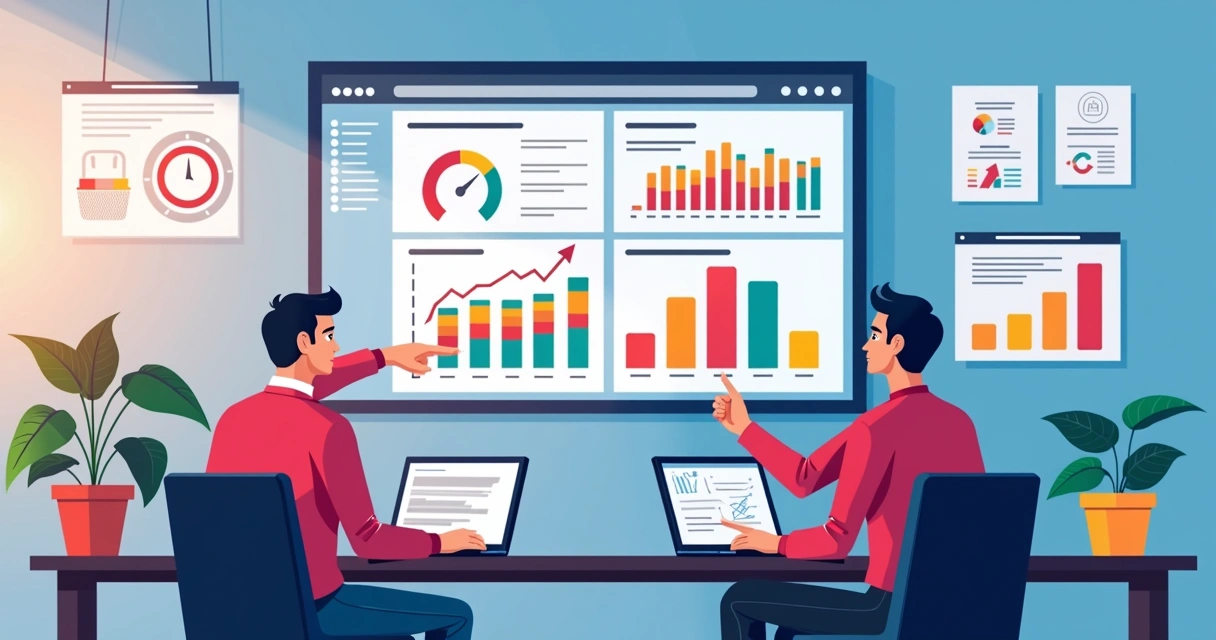 We employ a set of proven steps to deliver fast, search-ready agency sites:
- Site structure: Build with clear page hierarchies, XML sitemaps, and proper semantic markup
- Use high-quality, lightweight themes so code isn’t overloaded
- Compress images and serve scaled versions for different devices
- Deploy caching and CDN solutions for global performance
- Minimize and defer JavaScript and CSS
- Apply schema markup to help Google interpret agency content and services
Our team reviews all setups before launch, using real device testing and third-party tools. For ongoing improvements, we recommend regular audits and plugin updates, activities detailed further in our article discussing the best WordPress development tips for marketing agencies.
We’ve found that speed, up-time, and indexability can be monitored and improved using web governance dashboards, a practice backed by the Boise State University guidance. It takes a clear process, ongoing attention, and a solid technical foundation.
Security, privacy, and compliance: always on
Sites built for agencies are high-value targets. We take a multi-layered approach to security and privacy, adapting strategies to each agency’s client portfolio, industry, and regulatory requirements.
Security is built in, not bolted on later.
Here’s how we address these needs:
- Apply strong password policies and two-factor authentication
- Harden administrative URLs and limit login attempts
- Use trusted security plugins that are maintained and audited
- Encrypt sensitive data in transit and at rest
- Regularly review and update access permissions
- Document privacy and cookie consent processes for every site
- Optional: run penetration tests for high-profile agency clients
We’ve seen competitors speed through launch, skipping security planning to save time. This is a short-term move. Our long-term view and robust protocols have prevented countless headaches, and our clients stay with us for this peace of mind.
Launching without surprises: the pre-launch checklist
Months of work come down to a structured, thorough set of pre-launch checks. We ensure not just that the site “looks right,” but that all back-end, frontend, and business goals align.
- Verify all integrations and forms are working – real test submissions
- Check permissions for all user roles and clients
- Test site across multiple devices and browsers (including low bandwidth scenarios)
- Confirm final SEO settings: metadata, canonical tags, robots.txt, etc.
- Clear caches and ensure CDN is propagating the latest assets
- Prepare backup and rollback plans for launch day, in case a step is missed
Only when these are passed do we consider a project “client-ready.” For agencies juggling deadlines, nothing beats confidence in a proven checklist and an experienced team.
After launch: ongoing support and growth
The work doesn’t end on launch day. Long-term WordPress success for agencies is built on commitment: updates, backups, security monitoring, and evolving according to clients’ changing needs.
With our WordPress maintenance and support for agencies, agencies have a single partner for ongoing technical support, feature requests, small enhancements, and security fixes. This frees up in-house staff for creative work that truly matters.
- Regular WordPress and plugin updates
- Security monitoring and patching
- Routine site backups and restoration tests
- Content updates and technical troubleshooting
- Performance audits and tuning
Our agency partners especially value rapid response and proactive recommendations, something only possible when your maintenance provider deeply understands the WordPress ecosystem and the unique pressures facing agencies.
Custom development: plugins, themes, and integrations
When agencies need something unique, custom development matters. Reusable plugins, custom post types, theme frameworks tailored to your brand—the building blocks of agency success are flexibility and code quality.
 Our custom WordPress plugin development service grew from frequent agency requests for features no existing plugin offered—or where off-the-shelf tools carried hidden costs or security concerns.
With proper discovery and tight feedback loops during development, we deliver solutions that:
- Automate key business functions
- Support custom data structures or workflows unique to each agency
- Offer white-label features for agencies reselling services
- Let agencies provide new capabilities to their own clients without reinventing the wheel
These aren’t “one-off” deliverables but maintained tools, adapted as platforms and business evolve.
Migrating existing sites with minimal risk
When agencies need to move legacy sites, old platforms, or dozens of microsites, proper migration makes the difference between a smooth launch and a series of disasters. We handle all aspects—content, media, SEO, and user data.
A structured migration for agencies should always include:
- Full data export, mapping of old structures to new
- SEO redirect plans to keep rankings intact
- Testing migrated content for integrity and presentation
- Validation of all integrations and legacy systems
- Migration “dry runs” to check for problems before the real transfer
Our complete migration guide breaks down every step for agencies who want to reduce risk and avoid client downtime.
Compared to competitors who often migrate “just what’s needed,” we believe a holistic, tested approach preserves business results and makes new launches painless.
Adaptability and future-proofing agency sites
Business goals change. Agencies pivot. WordPress makes it possible to react and adapt when needs shift—whether adding new services, growing a client roster, or rolling out automated processes.
 We advise agencies to build with change in mind:
- Choose themes and frameworks that are maintained and supported
- Document custom solutions and integrations for future teams
- Automate repetitive tasks, freeing up human time for strategy
- Keep update and backup processes documented, not just reliant on current staff
Thanks to WordPress’s flexibility, agencies aren’t boxed into any single approach. They serve today’s clients well and are ready for tomorrow’s growth.
Conclusion: ready for agency success
We believe that when agencies take the time to plan, build, and launch WordPress sites using the right process and experienced partners, the payoff is clear. Sites are stable and secure. Clients are happier. Growth is possible, even as web standards and tools keep moving forward.
If your agency is ready to build, expand, or migrate its web presence, partnering with a team that understands the full scope—like us at WordPress Development Services—makes every project smoother. Get in touch with us to discover how your agency can benefit from a WordPress approach tailored to your precise needs and goals.
Frequently asked questions
What is WordPress site creation for agencies?
WordPress site creation for agencies means building, customizing, and maintaining WordPress websites that can manage multiple client projects easily and securely. It covers everything from initial planning and design to launch, integrations, and continuous updates—always with agencies’ unique priorities in mind, such as portfolio scalability, workflow efficiency, and responsive support.
How much does a WordPress agency site cost?
The cost of a WordPress agency site varies depending on the number of sites, level of customization, integrations, and ongoing support required. Most agencies invest between $3,000 and $20,000 for initial builds, with maintenance packages available monthly or yearly. We tailor quotes specifically for each agency after a full discovery process, allowing for flexibility as needs change.
What are the best themes for agency sites?
The best themes for agency sites are lightweight, well-supported, and built with responsive and accessible design in mind. We often choose frameworks like Astra, GeneratePress, or custom coded themes for reliability and ease of long-term support, but always match the solution to each agency’s branding and content needs.
How to choose plugins for agency websites?
Selecting plugins for agency sites involves checking for regular updates, security track records, and compatibility with your existing setup. We test all plugins in staging before production, rely on premium and supported options, and develop custom plugins when no reliable option exists. The guiding rule: fewer, better-quality plugins keep sites fast and stable.
Is WordPress good for digital agencies?
Absolutely. WordPress is a leading choice for digital agencies thanks to its flexibility, scalability, massive plugin ecosystem, and ease of use for both technical and non-technical teams. Combined with our WordPress Development Services, agencies can offer tailored, powerful web solutions to their clients—while keeping management simple and future-ready.