






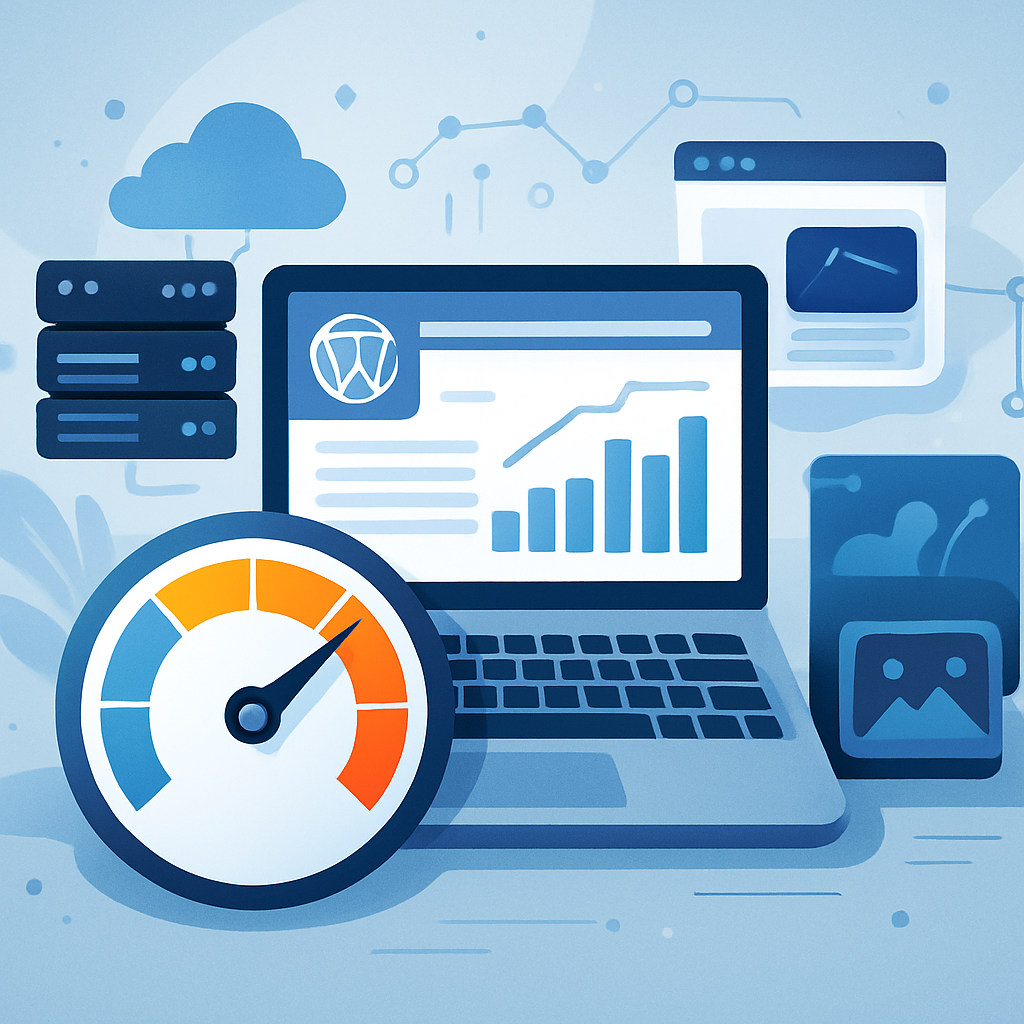
In the dynamic world of digital marketing, the performance of your WordPress site can significantly influence user experience, search engine rankings, and ultimately, conversion rates. This article will explore practical steps to optimize your WordPress marketing site’s performance, ensuring that it is fast, responsive, and engaging.
Understanding the Importance of Performance Optimization
Website performance is crucial for several reasons:
- User Experience: Slow-loading sites lead to higher bounce rates and lower user satisfaction.
- SEO Rankings: Search engines prioritize fast-loading websites, impacting your visibility.
- Conversion Rates: Faster sites generally see higher conversion rates, translating to increased revenue.
Practical Steps to Optimize Your WordPress Site
1. Choose a Reliable Hosting Provider
Performance starts with your hosting environment. Opt for a reputable hosting provider that specializes in WordPress. Consider options such as:
- Managed WordPress Hosting: Offers optimized server configurations and automatic updates.
- Cloud Hosting: Provides scalability and load balancing to handle traffic spikes.
Investing in quality hosting is foundational for speeding up your site.
2. Optimize Images
Large images can drastically slow down your site. Optimize images by:
- Using the Right Format: Use JPEG for photographs and PNG for graphics with transparency.
- Image Compression: Utilize plugins like Smush or ShortPixel to compress images without losing quality.
- Lazy Loading: Implement lazy loading to defer loading images until they are in the viewport.
3. Minimize HTTP Requests
Each element on your page (images, scripts, styles) generates an HTTP request. Reduce these requests by:
- Combining CSS and JavaScript Files: Use plugins like Autoptimize to aggregate files.
- Using CSS Sprites: Combine multiple images into one to decrease requests.
- Removing Unused Plugins: Deactivate and delete plugins that are not essential for your site.
4. Implement Caching Solutions
Caching can significantly improve page load times. Consider the following:
- Page Caching: Use plugins like W3 Total Cache or WP Super Cache to store static versions of your pages.
- Object Caching: Utilize Redis or Memcached to speed up database queries.
5. Optimize Your Database
A bloated database can slow down your site. Regularly clean and optimize your database by:
- Removing Post Revisions: Limit the number of revisions WordPress keeps.
- Deleting Spam Comments: Clear out spam comments to reduce database bloat.
- Using Database Optimization Plugins: Consider WP-Optimize to clean up your database.
6. Utilize a Content Delivery Network (CDN)
A CDN can help deliver your content faster by distributing it across multiple servers worldwide. Benefits include:
- Reduced Latency: Users access content from the nearest server.
- Improved Load Times: Offloading static files like images and scripts reduces server load.
7. Monitor Performance Regularly
Use tools like Google PageSpeed Insights, GTmetrix, or Pingdom to regularly assess your site’s performance. Monitor key metrics such as:
- Load Time: Aim for under 3 seconds.
- First Contentful Paint: Track how quickly users see content.
- Time to Interactive: Ensure your site becomes interactive quickly.
FAQ
- What is the ideal load time for a WordPress site?
- The ideal load time for a WordPress site is under 3 seconds. Faster load times lead to better user experiences and higher conversion rates.
- How can I check my WordPress site’s performance?
- You can check your WordPress site’s performance using tools like Google PageSpeed Insights, GTmetrix, and Pingdom, which analyze load times and provide improvement suggestions.
- What are the benefits of using a CDN?
- A CDN reduces latency, improves load times, and enhances user experience by delivering content from the nearest server to the user.
- Is it necessary to optimize images on my website?
- Yes, optimizing images is essential as large file sizes can significantly slow down load times, impacting user experience and SEO.
- How often should I clean my WordPress database?
- Regularly cleaning your WordPress database every few months is advisable to ensure optimal performance, though this can vary based on site activity.
Conclusion
Optimizing your WordPress marketing site for performance is an ongoing process that requires careful consideration of various factors, including hosting, image optimization, caching, and database management. By implementing these practical steps, you can significantly enhance the performance of your site, leading to better user experiences and improved conversion rates. Remember, a well-optimized site is not only faster but also more efficient and secure.