
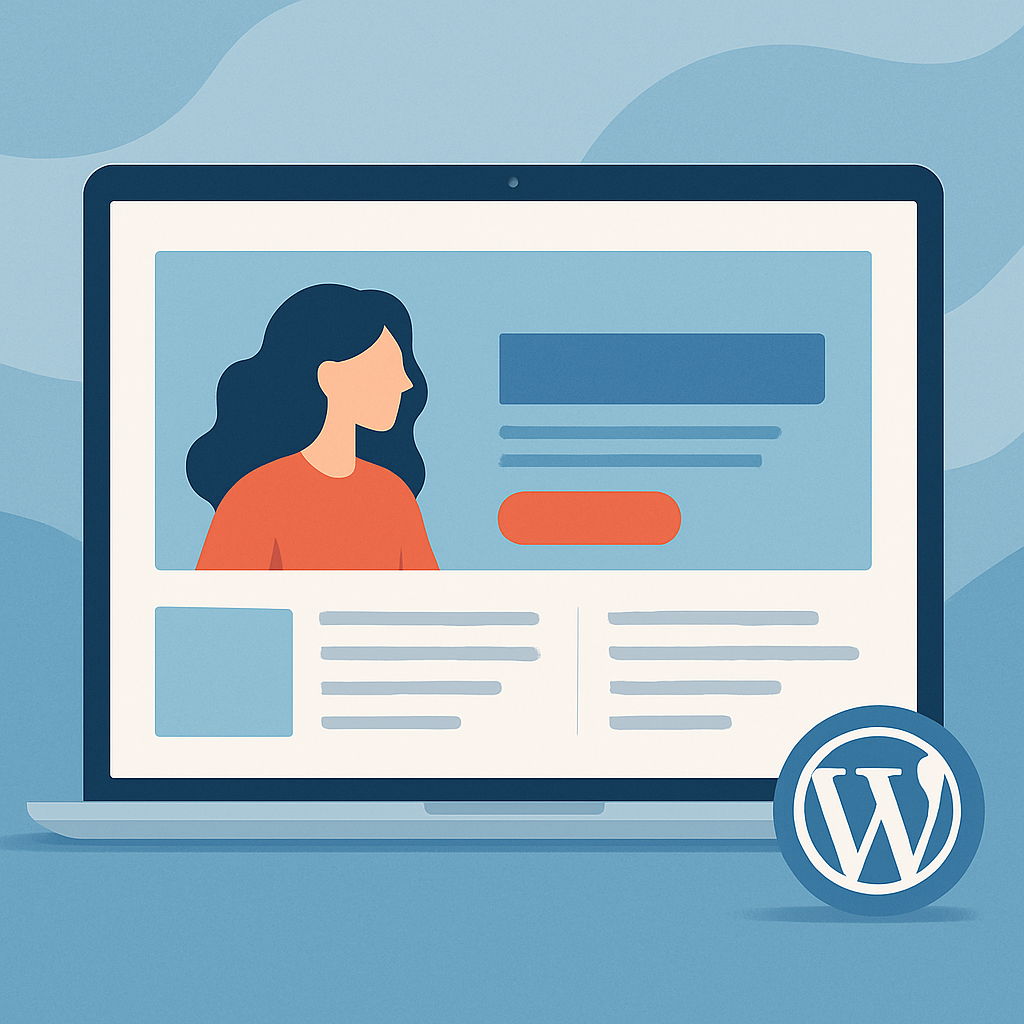






Creating conversion-focused landing pages in WordPress is essential for businesses aiming to maximize their online presence and drive specific actions from visitors. Whether you’re promoting a product, service, or event, a well-optimized landing page can significantly increase conversion rates. In this article, we will explore practical steps to implement effective landing pages in WordPress.
Understanding Conversion-Focused Landing Pages
A conversion-focused landing page is designed with a single goal: to convert visitors into leads or customers. Unlike traditional web pages, these pages eliminate distractions and guide users toward a specific action, such as filling out a form, signing up for a newsletter, or making a purchase.
Steps to Create a Conversion-Focused Landing Page in WordPress
1. Choose the Right Theme
Select a WordPress theme that is clean, responsive, and optimized for conversions. Look for themes that offer:
- Fast loading times
- Customizable layouts
- Built-in SEO features
2. Utilize a Page Builder
Page builders like Elementor, Beaver Builder, or WPBakery allow you to create visually appealing landing pages without coding knowledge. They offer drag-and-drop functionality, making it easier to:
- Design unique layouts
- Add elements like buttons, images, and forms
- Customize styles and fonts
3. Craft Compelling Copy
Your landing page copy should be concise, engaging, and focused on the benefits of your offer. Use persuasive language that highlights:
- The value proposition
- Clear calls to action (CTAs)
- Social proof, such as testimonials or reviews
4. Optimize for SEO
Even landing pages need to be optimized for search engines. Consider the following:
- Use relevant keywords in your title, headings, and meta description
- Optimize images with alt text
- Ensure fast loading speeds
5. Implement Tracking and Analytics
Use tools like Google Analytics and conversion tracking to monitor the performance of your landing page. Track metrics such as:
- Click-through rates
- Conversion rates
- Bounce rates
6. A/B Testing
Regularly conduct A/B testing to determine which elements of your landing page perform best. Test variations of:
- Headlines
- Images
- CTA buttons
Best Practices for Conversion-Focused Landing Pages
Keep It Simple
Minimize distractions by keeping the design clean and straightforward. Limit the number of fields in forms and avoid unnecessary links.
Mobile Optimization
Ensure your landing page is mobile-friendly, as a significant portion of users browse on mobile devices. Use responsive design techniques to enhance user experience.
Visual Elements
Incorporate high-quality images and videos to engage users. Visual elements can help convey your message more effectively than text alone.
Conclusion
Building a conversion-focused landing page in WordPress requires a blend of strategic design, compelling content, and ongoing optimization. By following the outlined steps and best practices, you can create landing pages that not only attract visitors but also convert them into loyal customers.
Frequently Asked Questions
- What is a conversion-focused landing page?
- A conversion-focused landing page is designed to encourage visitors to take a specific action, such as signing up for a newsletter or purchasing a product.
- How can I measure the success of my landing page?
- You can measure success using tools like Google Analytics to track conversion rates, click-through rates, and bounce rates.
- What elements are essential for a successful landing page?
- Essential elements include a clear value proposition, compelling copy, CTAs, and an aesthetically pleasing design.
- Should I use a page builder for my landing page?
- Using a page builder can simplify the creation process and provide more design flexibility without requiring coding knowledge.
- How often should I update my landing page?
- Regular updates are recommended based on performance data and market trends. A/B testing can help identify when changes are necessary.
- Is SEO important for landing pages?
- Yes, optimizing your landing page for SEO is crucial to attract organic traffic and increase visibility in search engines.