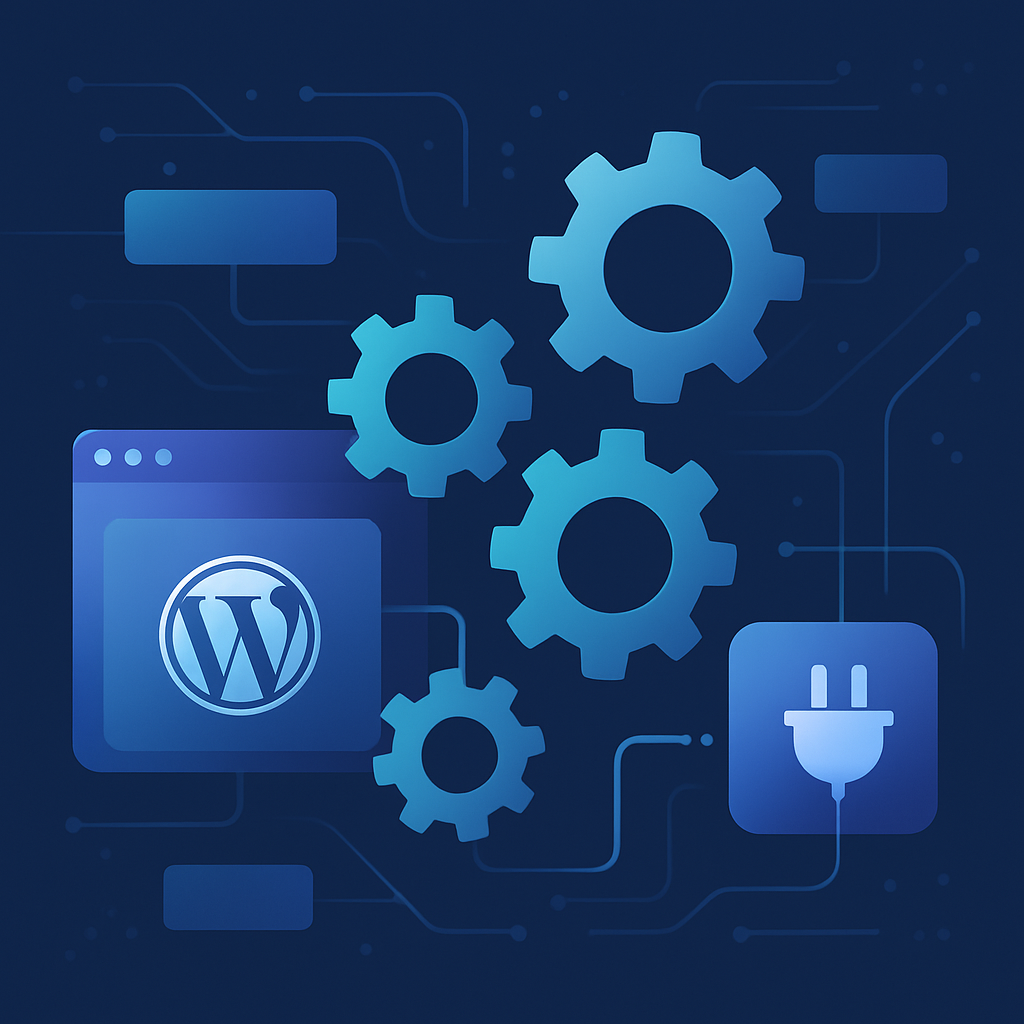






In today’s rapidly evolving digital landscape, marketing agencies face the challenge of delivering exceptional services while managing complex workflows. One effective solution to streamline operations is custom plugin development. This article explores how tailored plugins can enhance agency workflows, drive efficiency, and ultimately contribute to a more robust bottom line.
Understanding Custom Plugin Development
Custom plugins are software components that extend the functionality of WordPress, allowing agencies to create bespoke solutions tailored to their unique needs. Unlike off-the-shelf plugins, custom development enables agencies to optimize their processes, integrating seamlessly with existing systems and workflows.
The Business Impact of Custom Plugins for Agencies
Implementing custom plugins can significantly transform agency operations. Here’s how:
1. Enhanced Efficiency
Custom plugins can automate repetitive tasks, reducing the time spent on manual processes. This efficiency allows agency staff to focus on high-value activities, such as strategy development and client engagement.
2. Tailored Solutions
Every agency has unique workflows and requirements. Custom plugins can be developed to specifically address these needs, ensuring that the tools used are perfectly aligned with the agency’s operations. This results in a smoother workflow and better outcomes.
3. Improved Collaboration
Plugins that facilitate collaboration, such as shared project management tools or communication interfaces, can enhance teamwork within the agency. By streamlining communication and project tracking, teams can work more cohesively.
4. Scalability
As agencies grow, their needs evolve. Custom plugins can be designed with scalability in mind, allowing for easy updates and new features without overhauling existing systems. This flexibility is crucial for sustained growth.
5. Competitive Advantage
Agencies that leverage custom solutions can differentiate themselves from competitors who rely on generic tools. By offering unique services enabled by custom plugins, agencies can attract more clients and retain existing ones.
Strategic Steps for Developing Custom Plugins
To successfully implement custom plugin development, agencies should follow these strategic steps:
1. Identify Pain Points
Begin by analyzing current workflows to identify inefficiencies or bottlenecks. Gathering feedback from team members will provide insights into which processes could benefit most from automation or enhancement.
2. Define Requirements
Once pain points are identified, outline the specific requirements for the custom plugin. Consider functionality, user interface, and integration with existing systems. Engaging stakeholders at this stage is crucial for gathering diverse perspectives.
3. Choose the Right Development Team
Partner with experienced developers who have a proven track record in creating custom WordPress plugins. Ensure they understand your agency’s workflows and can deliver a solution that aligns with your strategic goals.
4. Develop and Test
Implement an agile development process that allows for iterative testing and feedback. This will help refine the plugin and ensure it meets the defined requirements before full deployment.
5. Monitor and Optimize
After deployment, continuously monitor the plugin’s performance and gather user feedback. Be prepared to make adjustments and improvements based on real-world usage and emerging needs.
Potential Challenges and Considerations
While custom plugin development offers numerous benefits, agencies should also be aware of potential challenges:
- Cost: Custom development can be more expensive than off-the-shelf solutions. It’s essential to weigh the long-term benefits against the initial investment.
- Maintenance: Custom plugins require ongoing maintenance and updates to remain compatible with WordPress core updates and security patches.
- Security: Custom code can introduce vulnerabilities if not developed with security best practices in mind. Ensure that developers implement secure coding standards.
FAQs
- What is a custom WordPress plugin?
- A custom WordPress plugin is a tailored software component that extends the functionality of a WordPress site, developed to meet specific business needs.
- How can custom plugins improve agency workflows?
- Custom plugins can automate tasks, enhance collaboration, and provide tailored solutions that align with agency processes, leading to increased efficiency and productivity.
- Are custom plugins expensive to develop?
- While initial costs can be higher than off-the-shelf solutions, the long-term efficiencies and competitive advantages often justify the investment.
- Do custom plugins require ongoing maintenance?
- Yes, custom plugins require regular updates and maintenance to ensure compatibility with WordPress updates and to address security vulnerabilities.
- How can I ensure the security of a custom plugin?
- Work with experienced developers who follow security best practices and conduct thorough testing. Additionally, regularly monitor and update the plugin to mitigate risks.
Conclusion
Custom plugin development presents a unique opportunity for marketing agencies to enhance their workflows and drive business growth. By strategically implementing tailored solutions, agencies can improve efficiency, foster collaboration, and ultimately deliver better results for their clients. As the digital landscape continues to evolve, embracing custom solutions will be key in maintaining a competitive edge.