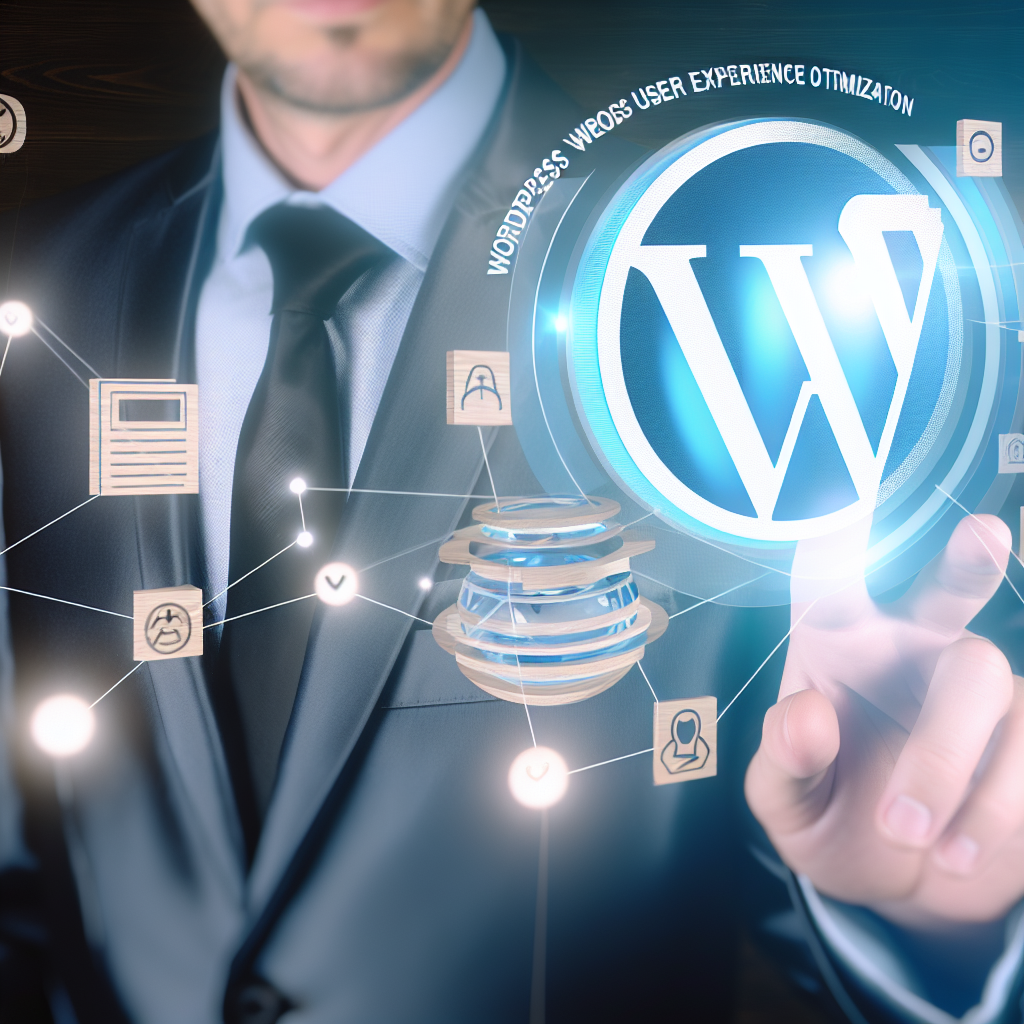






In today’s digital landscape, a well-optimized WordPress site is not just a luxury; it’s a necessity for agencies aiming to boost client engagement and drive success. Transforming the WordPress user experience through tailored development solutions can significantly enhance how users interact with websites. By focusing on personalization, performance optimization, and usability, agencies can create websites that not only attract visitors but also retain them, fostering deep client relationships.
As a WordPress developer, the opportunity lies in understanding the unique needs of each client and implementing solutions that resonate with their target audience. This blog post will delve into effective strategies and technical implementations that junior WordPress developers can utilize to elevate user experiences. By mastering these techniques, you can help your agency stand out in a competitive market and drive tangible results for your clients.
Understanding the Core of User Experience in WordPress
The user experience (UX) on WordPress sites can make or break client engagement. To transform this experience, it’s essential to grasp its foundational elements. UX encompasses all aspects of the user’s interaction with the website, from navigation and design to content and functionality. Here are some key components to consider:
- Navigation: Clear and intuitive navigation can significantly reduce bounce rates.
- Load Speed: Fast loading times enhance user satisfaction and improve SEO rankings.
- Mobile Responsiveness: With a significant portion of traffic coming from mobile devices, a responsive design is critical.
By focusing on these elements, you can create tailored solutions that not only meet client expectations but also drive engagement and conversions. For instance, using tools like Google PageSpeed Insights can help assess and improve your site’s performance. Furthermore, leveraging JavaScript for interactive elements can create a more engaging user experience.
Implementing Performance Optimization Strategies
Website performance is a crucial aspect of user experience. A slow site can deter users and negatively impact search engine rankings. To improve performance, consider the following optimization strategies:
- Optimize Images: Compress images without losing quality using tools like TinyPNG.
- Minify CSS and JavaScript: Reduce file sizes by removing unnecessary characters and spaces.
- Leverage Browser Caching: Implement caching to store static resources, reducing load times for returning visitors.
- Utilize a Content Delivery Network (CDN): Distribute content across servers globally to improve load times for users regardless of their location.
Here’s a simple implementation of image optimization using PHP:
Image Optimization Code Example
By integrating image optimization directly into your theme’s functions.php file, you can automatically compress images upon upload:
add_filter('wp_handle_upload_prefilter', 'optimize_image_uploads');
function optimize_image_uploads($file) {
    $file['name'] = preg_replace('/s+/', '_', $file['name']);
    return $file;
}
This snippet renames uploaded images to remove spaces, which can help prevent issues in loading. Using tools like WP Smush can further automate the process of image optimization.
Enhancing Usability with Custom Features
Custom features can dramatically improve usability and user engagement on WordPress sites. Consider these implementations that can be tailored to meet specific client needs:
- Custom Post Types: Create unique content types for portfolios, testimonials, or events, improving organization and relevance.
- Interactive Elements: Implement interactive features like sliders and pop-ups for better user engagement.
- User Profiles: Allow users to create profiles, fostering community interaction and return visits.
To implement a custom post type, use the following code in your theme’s functions.php file:
Custom Post Type Code Example
function create_custom_post_type() {
    register_post_type('portfolio',
        array(
            'labels' => array(
                'name' => __('Portfolios'),
                'singular_name' => __('Portfolio')
            ),
            'public' => true,
            'has_archive' => true,
            'rewrite' => array('slug' => 'portfolios'),
            'supports' => array('title', 'editor', 'thumbnail')
        )
    );
}
add_action('init', 'create_custom_post_type');
This code snippet creates a new custom post type called “Portfolio,” allowing for better content categorization and organization.
Utilizing User Feedback for Continuous Improvement
Collecting and analyzing user feedback is essential for ongoing UX improvements. Implementing user surveys or feedback forms can provide valuable insights into user preferences and pain points. Here are some methods to gather and utilize feedback:
- Google Forms: Create quick surveys to gauge user satisfaction.
- On-Site Feedback Widgets: Use tools like HelpRaise to collect feedback directly from users.
- A/B Testing: Experiment with different designs or content to determine what resonates best with users.
To integrate a simple feedback form into your WordPress site, you can use the following basic HTML form:
Feedback Form Example
By actively seeking user feedback and making iterative adjustments, you can ensure that the WordPress sites you develop consistently meet user needs and expectations.
Ensuring Compliance with Accessibility Standards
Accessibility is a critical consideration in user experience design. Ensuring that your WordPress site is accessible to all users, including those with disabilities, is not only a best practice but also a legal requirement in many jurisdictions. Here are some key accessibility standards to implement:
- Use Alt Text for Images: Always include descriptive alt text for images, improving screen reader compatibility.
- Keyboard Navigation: Ensure that all interactive elements can be navigated using a keyboard.
- Color Contrast: Use sufficient contrast between text and background colors for readability.
To evaluate your site’s accessibility, consider using tools like WAVE or Axe. These tools can help identify areas for improvement and ensure compliance with the WCAG 2.1 guidelines.
Frequently Asked Questions
What are the key benefits of improving user experience in WordPress?
Improving user experience can lead to higher engagement rates, reduced bounce rates, and increased conversions. A well-designed site can also enhance brand loyalty and customer satisfaction, which are critical for long-term success.
How can I ensure my WordPress site is mobile-friendly?
To ensure your site is mobile-friendly, use responsive design techniques, such as fluid grids and flexible images. Tools like the Google Mobile-Friendly Test can help you assess your site’s responsiveness.
What tools can I use to optimize my WordPress site’s performance?
Several tools can help optimize performance, including caching plugins like W3 Total Cache, image optimization plugins like WP Smush, and performance testing tools like GTmetrix.
Why is user feedback important for WordPress development?
User feedback provides invaluable insights into how users interact with your site. It helps identify pain points and areas for improvement, ensuring that future updates align with user needs and preferences.
How can I make my WordPress site more accessible?
To enhance accessibility, include alt text for images, ensure keyboard navigation for all interactive elements, and follow color contrast guidelines. Regular audits using accessibility evaluation tools can also help maintain compliance.
Conclusion
Transforming the user experience on WordPress sites is an ongoing process that requires a blend of technical expertise, user empathy, and strategic thinking. By implementing tailored development solutions, you can create websites that not only meet but exceed client expectations, driving engagement and agency success. As you embrace these practices, remember that user experience is not a one-time effort but a continuous journey of improvement and adaptation.
If you’re looking for a skilled WordPress developer to help elevate your project, I invite you to contact me. Together, we can create tailored solutions that enhance user experiences and drive real results for your agency.